Introduction
Pallet racking and cantilever racking are two of the most popular warehouse storage systems. But they serve different purposes. Understanding the differences will help you choose the right system for your operation.
Pallet Racking Overview
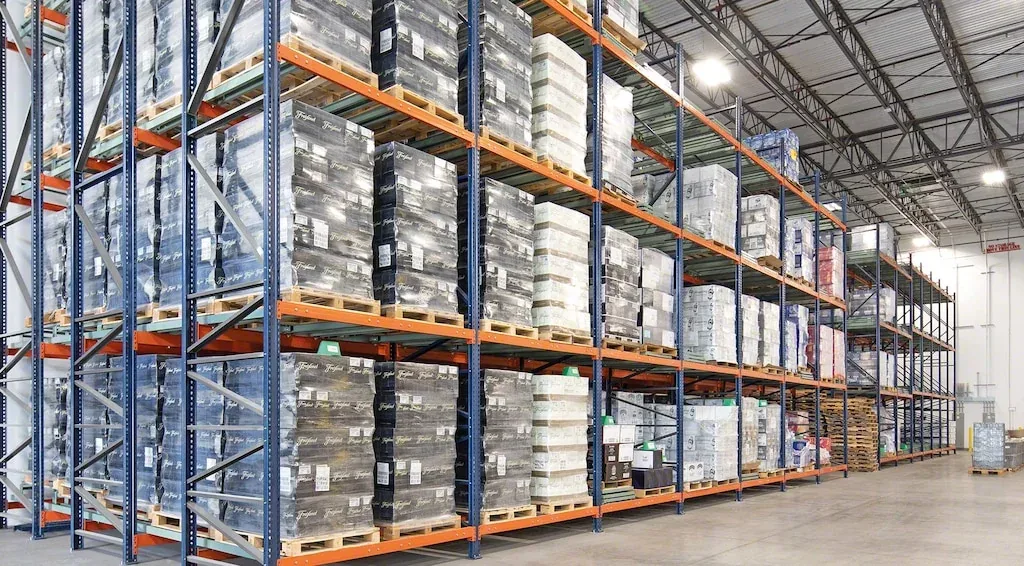
Pallet racking is designed for palletized goods. It uses vertical uprights and horizontal beams to create multiple levels of storage.
- Best for: Mixed inventory, frequent picking
- Load capacity: 2,500-5,000 lbs per level
- Aisle access: Full access to every pallet
- Cost: $$ (most affordable)
Cantilever Racking Overview
Cantilever racking is designed for long, bulky items. It has arms that extend from vertical columns, with no horizontal beams.
- Best for: Long materials, irregular shapes
- Load capacity: 1,000-3,000 lbs per arm
- Aisle access: Easy front access
- Cost: $$ (moderate)
Head-to-Head Comparison
Feature
Pallet Racking
Cantilever
Best For
Palletized goods
Long materials
Load Capacity
High (2,500-5,000 lbs)
Medium (1,000-3,000 lbs)
Aisle Access
Full access
Easy front access
Space Efficiency
High
High
Cost
$$ (affordable)
$$ (moderate)
Installation
Fast
Fast
Flexibility
High
High
When to Choose Pallet Racking
- You store mostly palletized goods
- You have mixed inventory types
- You need frequent picking access
- You want the most affordable option
- You need maximum load capacity
When to Choose Cantilever Racking
- You store long materials (lumber, pipes, steel)
- You have irregular-shaped items
- You need easy front access
- You want to avoid pallet waste
- You have limited vertical space
Conclusion
Both pallet racking and cantilever racking are excellent storage solutions. The right choice depends on your inventory type, space constraints, and operational needs. Many warehouses use both systems to handle different inventory types.
Not sure which system is right for you? Contact Rocky Mountain Warehouse Solutions for a free consultation.