Introduction
OSHA (Occupational Safety and Health Administration) sets strict standards for warehouse safety. Violations can result in hefty fines, worker injuries, and operational shutdowns. Understanding and complying with OSHA standards is essential for any warehouse operation.
Key OSHA Standards for Warehouses
Pallet Racking Safety (ANSI RMI Standards)
- All racking systems must be engineered to ANSI RMI standards
- Load capacity must be clearly marked on each level
- Uprights must be protected from forklift collisions
- Regular inspections are required
- Damaged racking must be repaired or removed immediately
Dock Safety
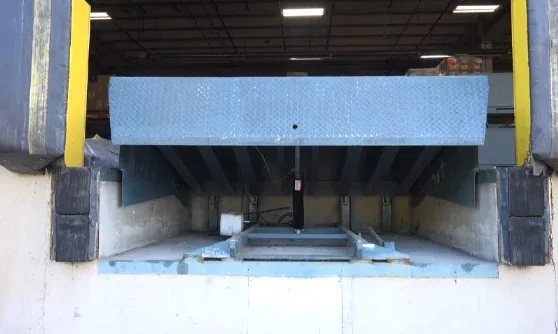
- Dock levelers must be properly maintained
- Vehicle restraints must be used to prevent trailer creep
- Dock edges must have guardrails or bumpers
- Dock seals and shelters help prevent falls
General Warehouse Safety
- Aisles must be clearly marked and kept clear
- Emergency exits must be accessible
- Proper lighting is required
- Fire extinguishers must be accessible
- Hazardous materials must be properly labeled and stored
Common OSHA Violations and How to Avoid Them
Unsecured Racking
Violation: Racking not properly anchored or maintained
Solution: Ensure all racking is professionally installed and regularly inspected
Blocked Exits
Violation: Emergency exits blocked by inventory or equipment
Solution: Keep all exits clear and mark them clearly
Missing Load Capacity Signs
Violation: Racking without clearly marked load capacities
Solution: Install and maintain load capacity signs on all racking
Damaged Equipment
Violation: Using damaged or unsafe equipment
Solution: Conduct regular inspections and repair or replace damaged equipment immediately
Compliance Checklist
- All racking systems are ANSI RMI compliant
- Load capacity signs are visible on all racking
- Uprights have collision protection
- Regular inspections are documented
- Dock equipment is properly maintained
- Vehicle restraints are in use
- Aisles are clearly marked and clear
- Emergency exits are accessible
- Proper lighting is installed
- Fire extinguishers are accessible
Conclusion
OSHA compliance is not optional — it’s essential for worker safety and business continuity. Regular inspections, proper maintenance, and employee training are key to staying compliant.
Need help reviewing warehouse safety? Contact Rocky Mountain Warehouse Solutions for a professional facility assessment.