Introduction
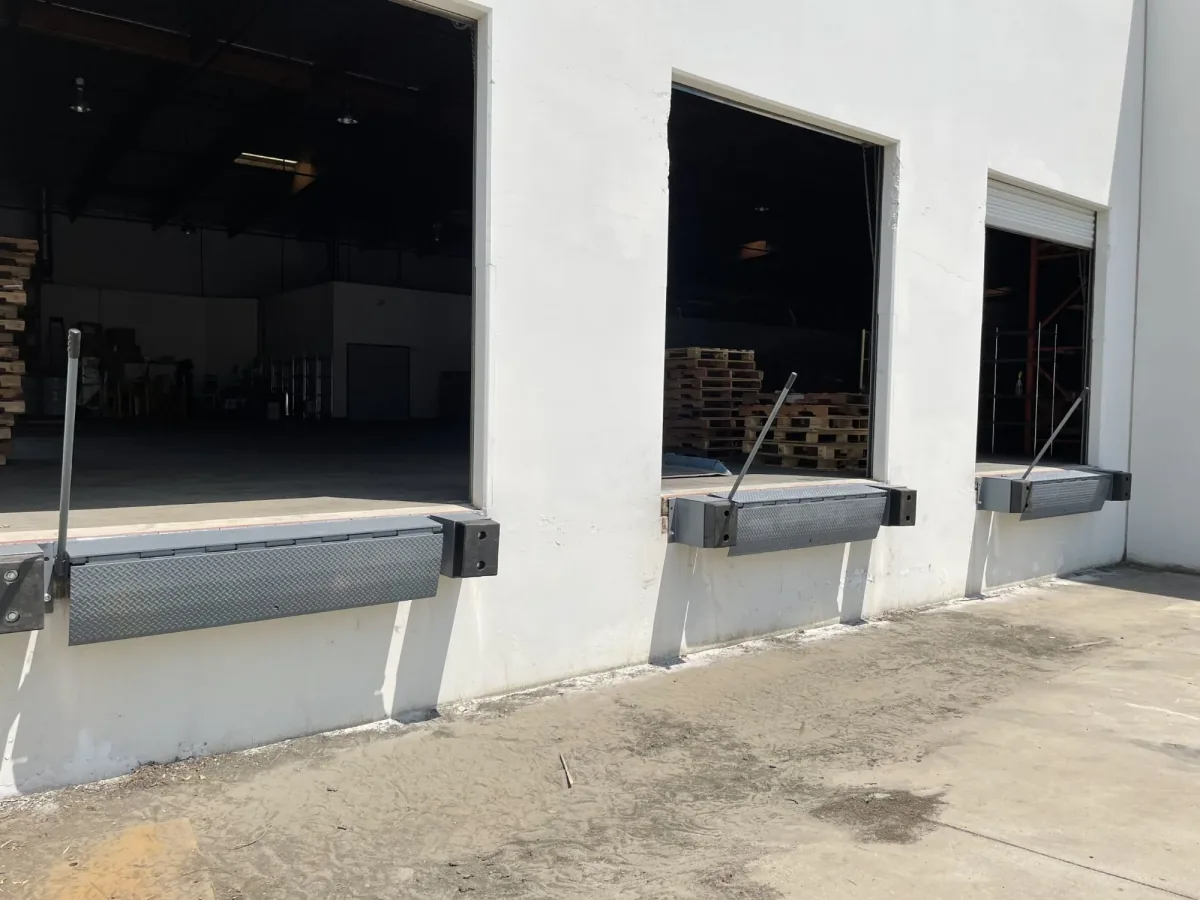
Dock equipment is critical to warehouse operations. Proper maintenance prevents costly downtime, extends equipment life, and ensures worker safety. Here’s what you need to know about dock equipment maintenance.
Use this checklist as a starting point for a facility-specific preventive maintenance program. The equipment manufacturer’s inspection intervals, lubrication requirements, service manual, and warranty instructions should always take priority. Maintenance involving hydraulics, electrical controls, springs, structural welds, or safety devices should be completed by a qualified dock-equipment technician.
Safety and Compliance Context
OSHA defines dockboards to include dock plates, bridge plates, and dock levelers. OSHA 29 CFR 1910.26 addresses load capacity, protection against unsafe movement, transport-vehicle movement, and safe handling of portable dockboards. A maintenance checklist supports those requirements, but it does not replace the manufacturer’s instructions or a site-specific safety program.
Remove equipment from service and restrict access when an inspection finds uncontrolled movement, structural cracking, a failed restraint or safety device, exposed electrical components, a significant hydraulic leak, or any condition that could make operation unsafe. Do not bypass interlocks or other protective devices to keep a bay operating.
Dock Leveler Maintenance
Daily Checks
- Inspect for visible damage or wear
- Check hydraulic fluid levels
- Test leveler operation
- Look for leaks or unusual sounds
Monthly Maintenance
- Clean and lubricate moving parts
- Inspect hydraulic hoses
- Check safety features
- Test emergency stop function
Annual Service
- Professional inspection and testing
- Replace worn components
- Update safety certifications
- Full system evaluation
Dock Seal Maintenance
- Inspect for tears or deterioration
- Clean regularly to remove debris
- Check mounting hardware
- Replace seals when worn (typically every 3-5 years)
Vehicle Restraint Maintenance
- Daily: Inspect for visible damage
- Weekly: Test restraint operation
- Monthly: Lubricate moving parts
- Annually: Professional inspection
Preventive Maintenance Schedule
| Task | Frequency |
|---|---|
| Visual inspection | Daily |
| Lubrication | Monthly |
| Hydraulic fluid check | Monthly |
| Safety feature testing | Quarterly |
| Professional inspection | Annually |
Adjust these intervals for equipment age, cycle count, climate, debris exposure, impact history, and the manufacturer’s requirements. High-cycle docks may require more frequent inspection than the baseline schedule above.
Maintenance Records to Keep
A simple inspection log makes recurring problems easier to spot and provides a clear service history. Record:
- Equipment ID and dock-door number
- Inspection date, operating-cycle reading if available, and inspector
- Observed damage, leaks, unusual noise, or slow movement
- Test results for restraints, interlocks, controls, and warning lights
- Corrective action, replacement parts, and technician notes
- Whether the equipment was removed from service and when it was returned
Common Issues and Solutions
| Issue | Likely cause | Recommended action |
|---|---|---|
| Leveler won’t raise | Low hydraulic fluid or pump failure | Check the fluid level; call for professional service if needed |
| Leveler moves slowly | Worn hydraulic pump or dirty filters | Schedule professional inspection and service |
| Leaking hydraulic fluid | Worn seals or damaged hoses | Arrange professional repair or replacement |
Conclusion
Regular maintenance is the key to reliable dock equipment. By following this maintenance schedule, you can prevent costly downtime and keep your operations running smoothly.
Need help with dock equipment maintenance? Contact Rocky Mountain Warehouse Solutions for professional service and support.